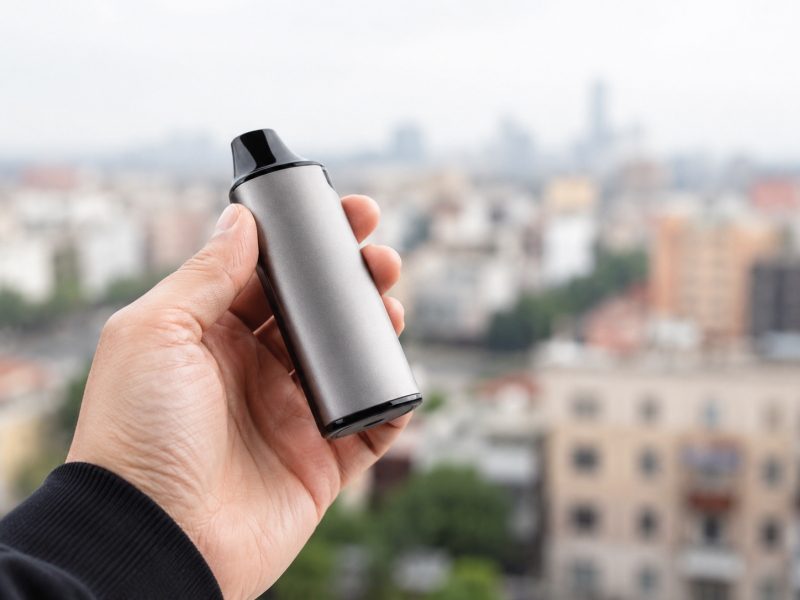
Q4 vape sales shift across channels differently than other categories. Online retailers see a bigger relative boost thanks to Black Friday/Cyber Monday, while brick-and-mortar vape shops benefit from last-minute gift shoppers and in-store demos.
8.1 Channel Mix: Q4 vs Full Year
| Channel | Full-Year Share | Q4 Share | Q4 Dynamic |
|---|---|---|---|
| Online (DTC + marketplaces) | 35–40% | 42–47% | ▲ 7 pts — Black Friday and Cyber Monday drive massive online volume; comparison shopping easier |
| Vape shops (specialty) | 25–30% | 24–28% | ▼ ~2 pts — lose share to online BF deals but gain from last-minute local gift shoppers |
| Convenience stores & gas | 20–25% | 16–20% | ▼ 4–5 pts — no promotional pricing; c-stores are for immediate purchase, not holiday shopping |
| Tobacco & smoke shops | 8–10% | 7–9% | Slight decline — similar to c-stores, limited holiday promotions |
| Other (grocery, etc.) | 3–5% | 3–4% | Flat — tobacco products rarely featured in grocery holiday promotions |
8.2 Shopify Ban Ripple Effects
The June 2026 Shopify ENDS ban — which forced all vape merchants off the platform by July 8 — continues to reshape the online retail landscape. Many smaller merchants migrated to WooCommerce, BigCommerce, or Shoplazza, but the transition has been disruptive, and some smaller retailers exited entirely.
For Q4 2026, the Shopify ban means:
- Fewer online retailers competing on Black Friday pricing → potentially shallower discounts from long-tail merchants
- Consolidation of online market share toward larger, platform-independent retailers
- Payment processing remains a bottleneck, with fewer options available after the Shopify exit