
Every compact vape brand has a thermal management strategy. Most of them discover it after the first batch of returns.
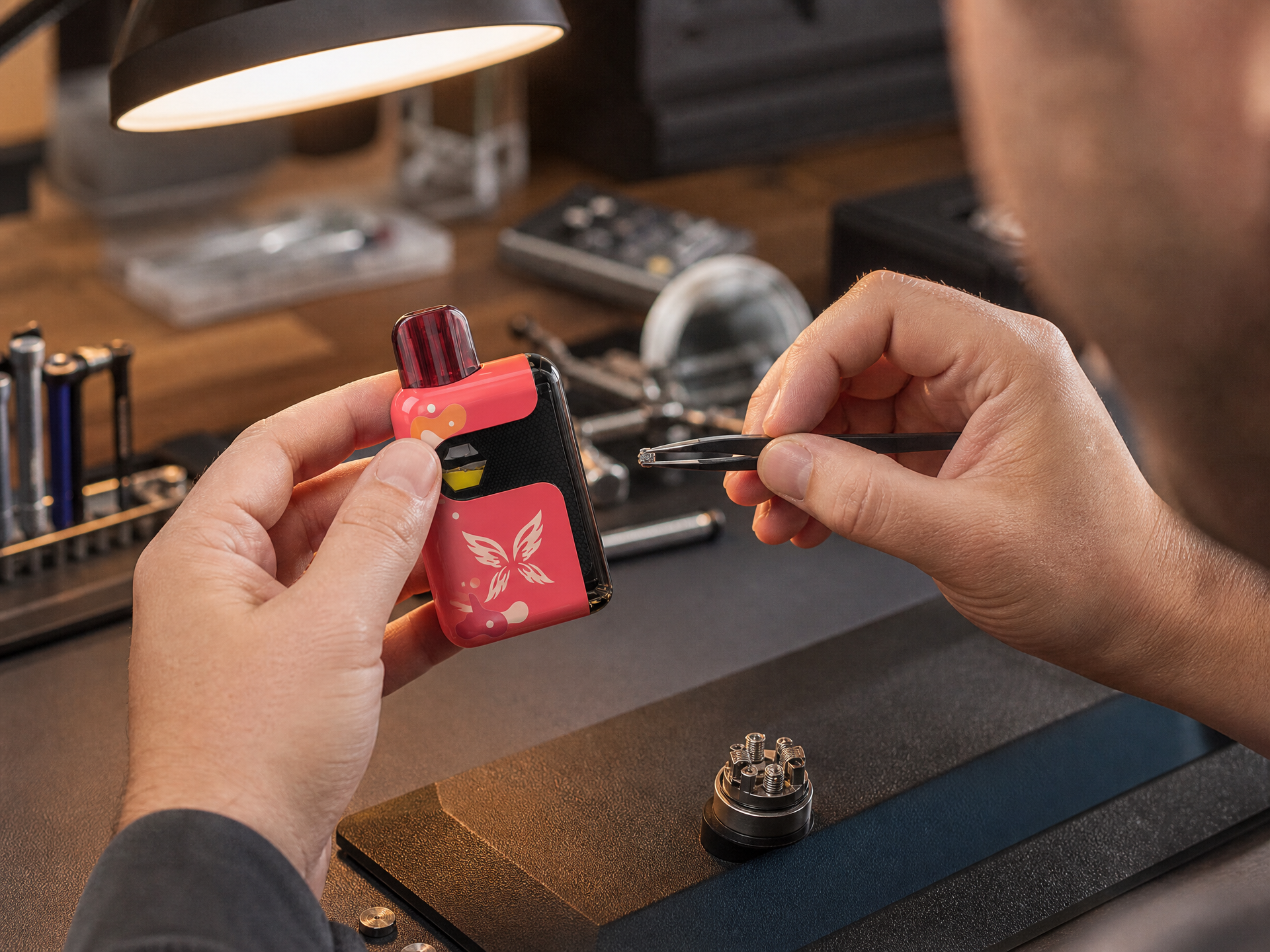
Here is the problem nobody solves first: a 12mm-diameter device housing a 1.2-ohm coil firing at 10 watts generates roughly 4-5 watts of waste heat inside a sealed plastic shell with zero active cooling. That heat has nowhere to go except into the battery, the liquid reservoir, and the user's hand. After three consecutive puffs — which is how many people actually take — the exterior surface temperature can rise 8-12 degrees Celsius. That is the difference between comfortable and alarming.
The battery is the most heat-sensitive component in the device. Lithium-ion cells degrade measurably at sustained temperatures above 45 degrees Celsius. A poorly ventilated compact device that runs hot during normal use is not just uncomfortable. It is losing 15-20% of its effective cycle life with every charge cycle. The user blames battery quality. The real culprit is thermal design.
The engineering trade-off is brutal. Ventilation slots add cost to the mold. Internal heat shields steal precious millimeters from the battery cavity. Thermal paste between the coil housing and chassis adds a manual assembly step. Every one of these solutions shrinks your margin or your form factor. But skipping them shrinks your brand reputation.
The most underrated solution is material selection. A polycarbonate shell with a glass transition temperature above 140 degrees Celsius handles sustained heat exposure without softening or warping. ABS does not. The price difference is roughly $0.03-0.06 per unit. How much is a warranty claim worth?
Test your thermal profile at three consecutive puffs, not one. The single-puff test is the industry standard. It is also useless. This content is intended for adults 21 years of age or older. Nicotine is an addictive chemical. The information provided is for educational and informational purposes only and does not constitute medical or legal advice. If you are considering using vaping products as an alternative to smoking, consult with a qualified healthcare professional. Product reviews and recommendations are based on publicly available information and independent evaluation; Windbar makes no representation regarding the FDA marketing authorization status of any third-party products mentioned. This content is not a substitute for review by a licensed attorney.
© 2026 Windbar. All rights reserved.