
Why Airflow Matters on Your Commute
If you vape on the go, you've probably noticed that the same device can feel different depending on the weather, the wind, or even your stress level. Airflow is the main lever you have to adjust that feel. It's not just about cloud size—it changes the draw resistance, the temperature of the vapor, and how much flavor you get.
On a windy platform, a tight draw can protect your session from gusts. In a cold morning, a slightly open airflow can make the vapor feel less harsh on your throat. And if you only have two minutes before your train arrives, a tighter draw gives you a more efficient hit in less time.
The trick is knowing what to adjust and when. This guide will walk you through the parts of your device that affect airflow and how to use them to your advantage.
Part Map at a Glance
Most CBD vaporizers have a few key components that influence airflow:
- Air intake holes or slots: Located on the side or bottom of the device, these let air in. Some are fixed, others are adjustable.
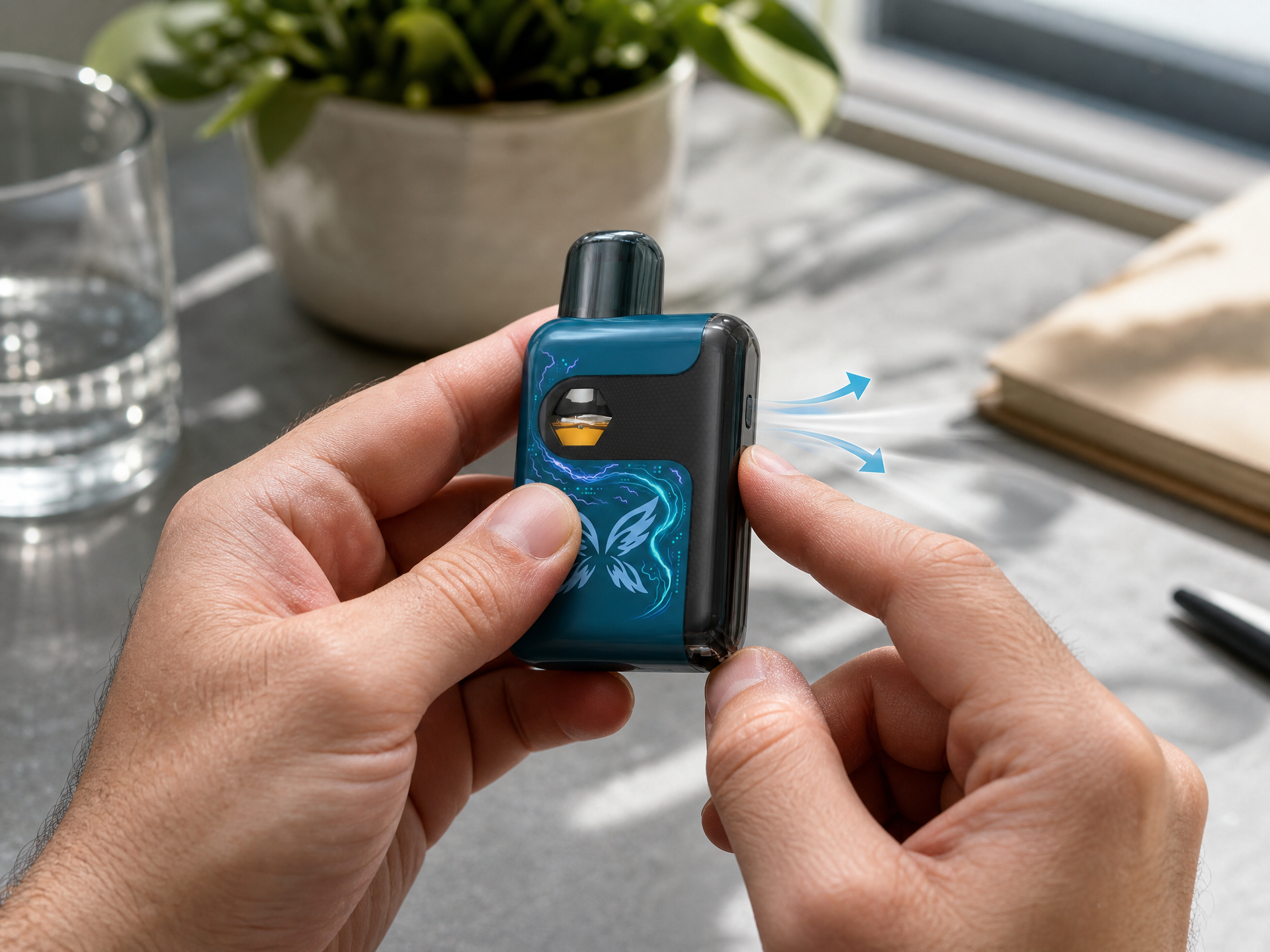
- Adjustable airflow ring: A rotating collar that covers or exposes the intake holes. Turning it changes the size of the opening.
- Mouthpiece design: A narrow mouthpiece can add resistance, while a wider bore allows more flow.
- Coil and wick placement: The internal layout affects how air travels over the heating element.
You don't need to be an engineer to use these. Just know that adjusting the airflow ring is the most common way to tweak your draw.
The Part People Overlook: The Air Intake Holes
Most users fiddle with the mouthpiece or the power button, but the real control is often the small holes on the side of the device. They're easy to miss, especially if they're tucked near the base. If you've never noticed them, look for a ring that rotates or a slide that moves.
Those holes are the gateway for air. When they're fully open, you get a loose draw—air rushes in, diluting the vapor. When they're partially covered, the draw tightens, and the vapor becomes denser and warmer.
During a commute, this matters because you often need to adjust on the fly. Maybe the wind picks up, or you want a quicker, more discreet hit before stepping into a meeting. Being able to feel for the ring and twist it without looking—that's a skill worth practicing.
The Part That Fails First: The Adjustable Ring
The airflow ring is often the first thing to wear out. Because it's exposed, it collects lint, dust, and pocket debris. Over time, you might notice it gets stiff or doesn't click into place like it used to.
If your ring sticks, don't force it. Clean around the intake holes with a dry brush or a cotton swab. If it's still stiff, a tiny drop of food-grade lubricant on the ring's track can help, but check your device manual first—some materials react badly to oils.
A stuck ring can accidentally change your draw mid-commute. If you notice your vapor suddenly feels different, check the ring's position. It might have rotated in your pocket.
How Parts Interact: Airflow, Draw, and Vapor Quality
Airflow doesn't work in isolation. It interacts with your battery voltage, the coil resistance, and how you inhale. Here's what that means for you:
- Low airflow + high power = hot, dense vapor that can taste burnt if you pull too hard.
- High airflow + low power = thin, cool vapor that might feel weak.
- Balanced setting = smooth, flavorful draws without harshness.
For a commute, you usually want a balance. You don't want to be coughing on a packed bus, and you don't want a hit so weak you barely feel it. Start with the airflow roughly at a medium opening, then adjust based on how it feels.
What to Inspect Weekly: Keeping Airflow Consistent
A quick weekly check can prevent many airflow issues:
- Look at the intake holes for dust or pocket fluff. Clear them with a toothpick or small brush.
- Rotate the airflow ring a few times to make sure it moves freely.
- Check for any cracks or chips around the ring or mouthpiece that could change airflow.
- If your device has a replaceable coil, see if the coil area looks dirty—residue can affect how air flows over the heater.
Doing this every week takes two minutes and keeps your device performing the way you expect. It also helps you notice problems early, before they ruin your morning vape.
Troubleshooting Common Airflow Problems
If your draw feels off, here are quick fixes:
- Too tight: Open the airflow ring fully. If it's already open, clean the holes.
- Too loose: Close the ring partially. If that doesn't help, check for a cracked mouthpiece.
- Inconsistent draw: The ring might be stuck in a wrong position. Clean and rotate it.
- No airflow at all: Check if the mouthpiece is blocked or if the device is assembled incorrectly.
If you've tried these and still have issues, it might be time for a new device or professional service. Don't try to disassemble anything yourself unless you know what you're doing.
Final Thoughts
Airflow is one of the easiest ways to tailor your vaping experience to your commute. A few seconds of adjustment can make the difference between a satisfying hit and a harsh one. Start with a medium setting, pay attention to how it feels in different conditions, and adjust accordingly. Your lungs and your taste buds will thank you.
Remember, regulations around vapor products vary by region, so always check local laws. And if you have questions about your device, consult the manual or reach out to the community.
Happy commuting, and vape responsibly.
Parts questions
Q: What does airflow do on a CBD vape?
Airflow controls how much air mixes with the vapor inside the device. More airflow means a looser draw, cooler vapor, and more dilution. Less airflow gives a tighter draw, warmer vapor, and a more concentrated hit.
Q: Should I use a tighter or looser airflow for my commute?
It depends on your preference and environment. A tighter draw is more discreet and gives stronger hits, which can be useful for quick sessions. A looser draw is cooler and less intense, which might be better if you're vaping for longer periods.
Q: Can airflow affect the flavor of my CBD vape?
Yes, a tighter airflow tends to produce more flavor because the vapor is more concentrated. A looser airflow dilutes the vapor, which can reduce flavor intensity.
Q: How do I adjust airflow on my vaporizer?
Most devices have an adjustable airflow ring or slot near the mouthpiece or coil. Twist or slide it to change the size of the air intake. If you're unsure, check your device manual or try different settings to see what feels best.