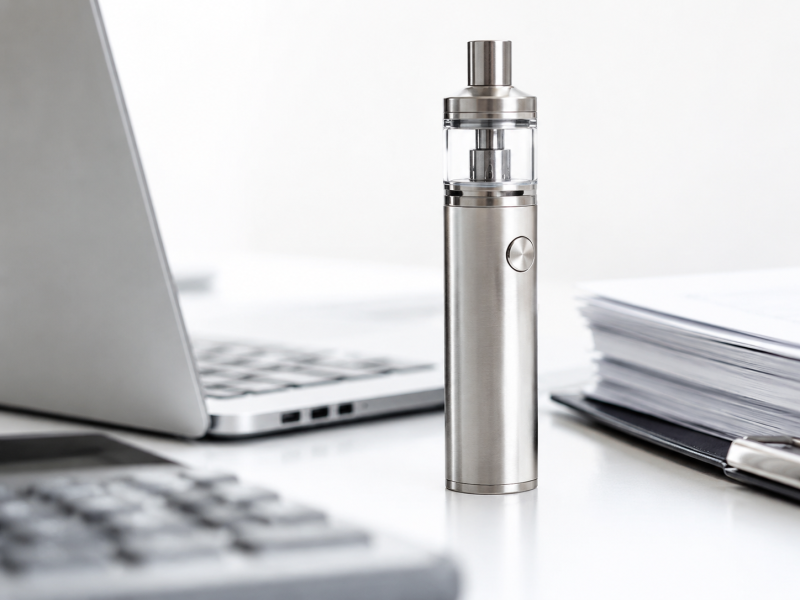

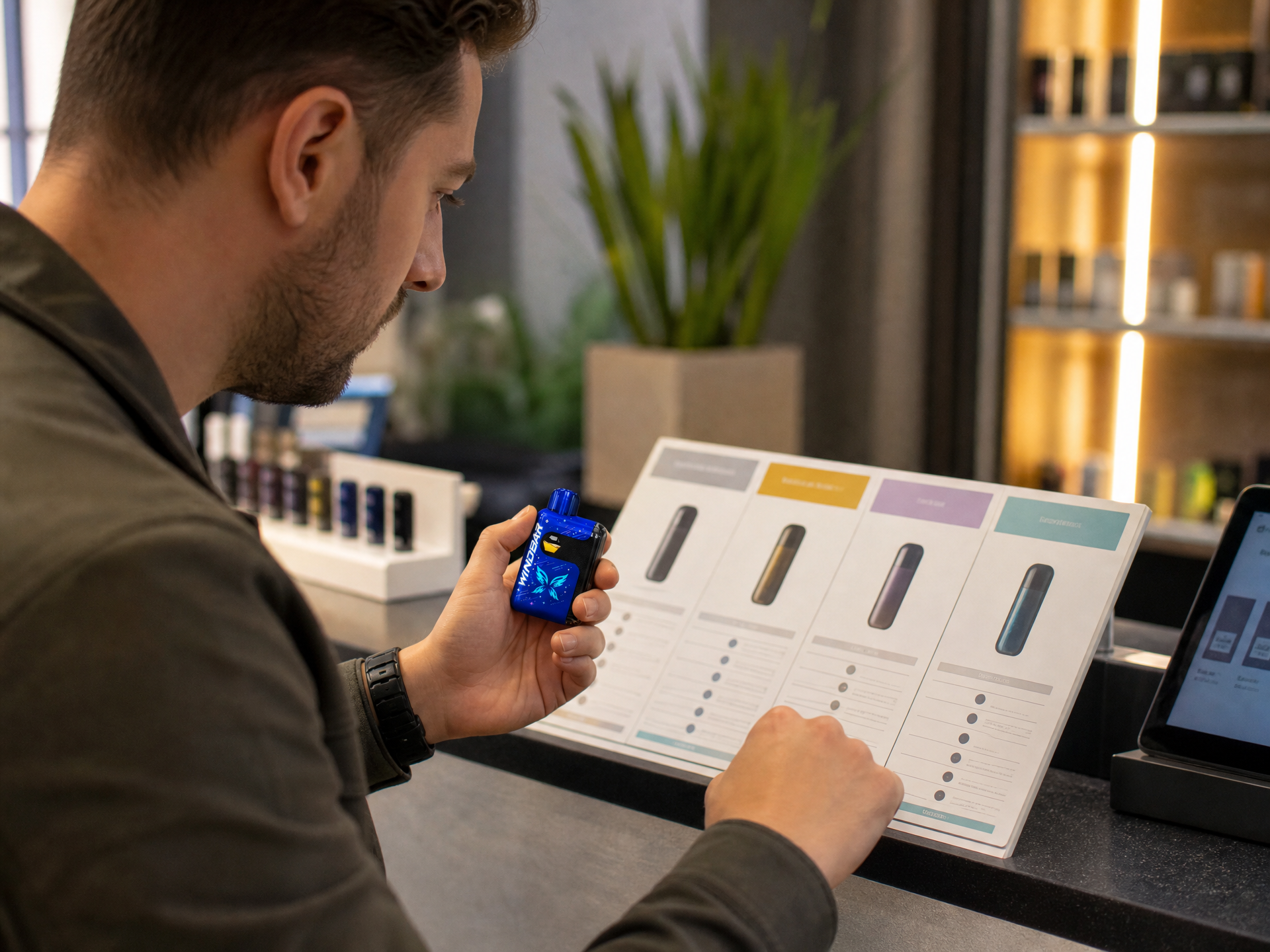
You are standing in front of two devices. Both look good. Both have four-star reviews. Both claim to be "the best pod system of 2026." The salesperson is pushing the more expensive one. The display model of the cheaper one has a nicer finish. How do you actually decide?
Most comparison videos and blog posts are useless. They compare specs nobody cares about and ignore the numbers that actually predict your daily experience. Here is a framework that cuts through the noise.
Start with the battery-to-liquid ratio. Divide the battery capacity in milliamp-hours by the liquid capacity in milliliters. A device with an 850mAh battery and a 2ml pod gives you 425mAh per milliliter. A device with a 400mAh battery and a 3ml pod gives you 133mAh per milliliter. The first device can vaporize all its liquid on a single charge. The second device will run out of battery before it runs out of liquid. That means you are carrying a charger or you are wasting liquid. The ratio matters more than either number alone.
Next, look at coil resistance and wattage together. A 0.8-ohm coil at 15 watts is a different animal than a 0.8-ohm coil at 25 watts. The wattage determines how much heat the coil produces. The resistance determines how efficiently it produces that heat. Together, they tell you the flavor profile and the liquid consumption rate. Lower resistance at higher wattage means bigger clouds, more flavor, and faster liquid consumption. Higher resistance at lower wattage means tighter draw, less vapor, and longer liquid life. There is no "better" combination. There is only the combination that matches your preference.
Then check the build quality. This is the test that does not require specs. Hold both devices. Which one feels heavier? Heavier usually means a larger battery or a denser material -- both are good signs. Which one has tighter seams? Run your fingernail along the edge where the body panels meet. If you can feel a gap, liquid will find its way in there eventually. Which one has a firmer pod connection? The pod should snap into place with a confident click. If it wobbles, the connection will degrade over time.
Finally, calculate the price per use. A $40 device with replaceable pods that cost $5 each is cheaper over six months than a $16 disposable that lasts a week. Do the math. 26 weeks at $16 per disposable is $416. The pod system plus 10 replacement pods is $90. The upfront cost is higher. The long-term cost is not even close.
Stop comparing spec sheets. Compare the numbers that predict your actual experience. Battery-to-liquid ratio. Wattage and resistance. Build quality. Price per use. That is the list. Everything else is marketing. This content is intended for adults 21 years of age or older. Nicotine is an addictive chemical. The information provided is for educational and informational purposes only and does not constitute medical or legal advice. If you are considering using vaping products as an alternative to smoking, consult with a qualified healthcare professional. Product reviews and recommendations are based on publicly available information and independent evaluation; Windbar makes no representation regarding the FDA marketing authorization status of any third-party products mentioned. This content is not a substitute for review by a licensed attorney.
© 2026 Windbar. All rights reserved.