

Green flags worth paying for
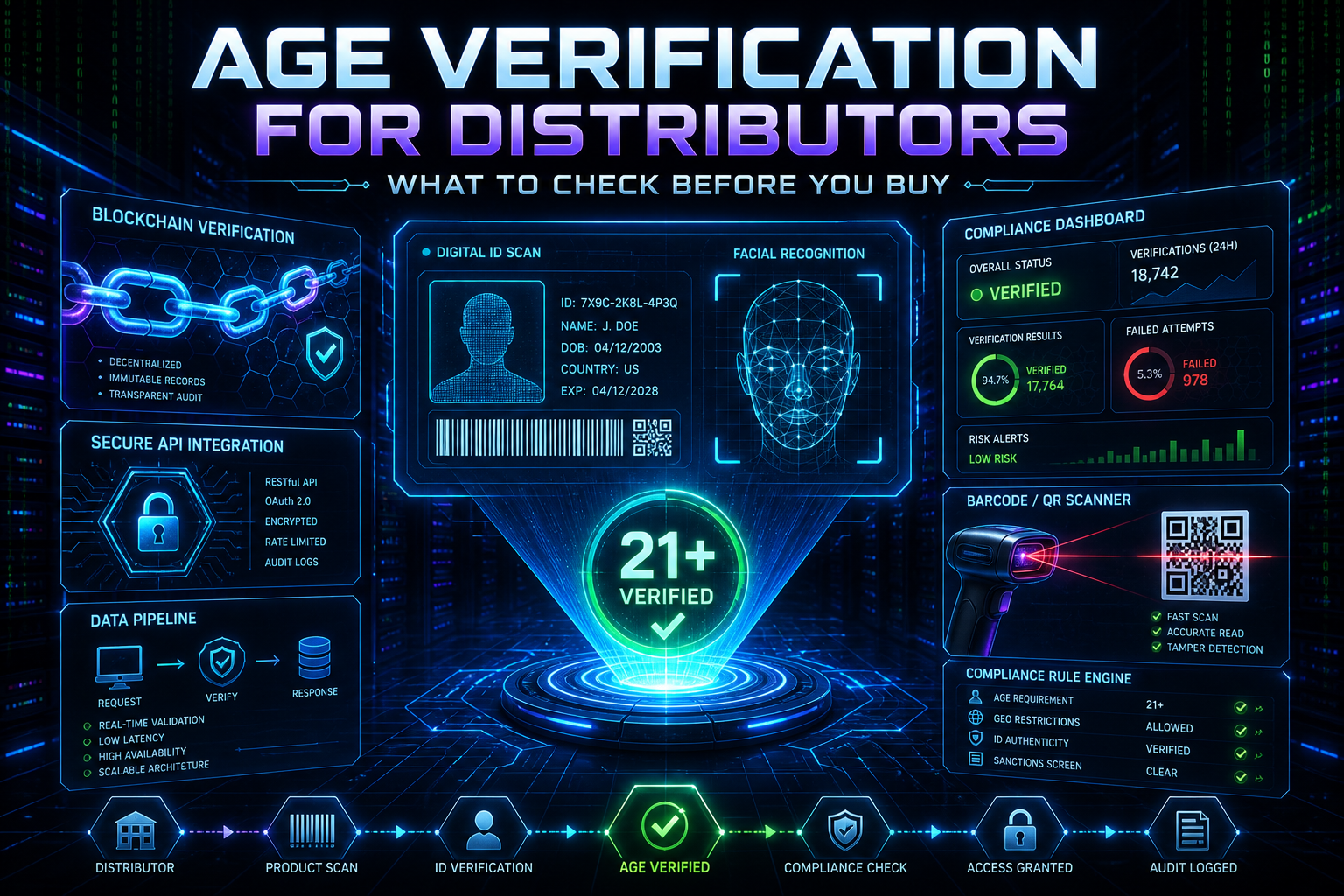
When you're looking at a site that sells CBD-compatible vaporizer hardware, age verification is a good sign. It means they're serious about the law. In Japan, for example, selling vaporizers to minors is illegal, and responsible retailers will check your age at checkout. You'll see a pop-up asking for your birth date, or they might ask for ID if you're buying in person. That's a green flag. It shows they care about compliance, which usually means they care about other things too, like product quality.
Another green flag is clear language about age requirements. If a site has a page that says 'You must be 21 or older to purchase' or similar, that's a sign they've thought about this. They're not just trying to make a quick sale. And if you see a verification system that actually checks your ID, like a government-issued ID scan, that's even better. It's a bit of a hassle, but it's for your protection and theirs.
Red flags to walk away from
On the flip side, there are red flags. If a site doesn't ask for your age at all, that's a big one. It suggests they might not be following the law, which raises questions about their business practices. Another red flag is if they let you bypass age checks easily. Some sites have a simple 'I am 21+' checkbox that you can just click without any real verification. That's not really verification, and it's a sign they're not taking compliance seriously.
Watch out for sites that are vague about their policies. If you can't find any mention of age requirements, or if they're buried in the fine print, that's a red flag. Also, be wary of sellers who pressure you to skip verification. If a customer service rep tells you to 'just click yes' or to enter a fake birth date, walk away. That's a seller who doesn't care about the law or your safety.
Yellow flags (context-dependent)
Some things aren't necessarily bad, but they depend on the situation. For example, a site might ask for your age but not verify it thoroughly. That's a yellow flag. It's not ideal, but it might be okay if they're a small business that's still learning. However, if they're a big company, they should know better. Another yellow flag is if they ask for more personal info than seems necessary. Age verification usually only needs your birth date, but if they ask for your full address and phone number, that's a bit much. It could be for shipping, but it's worth questioning.
Shipping policies can also be yellow flags. If a site ships to Japan but doesn't mention age verification at delivery, that might be a problem. In some places, the carrier is supposed to check ID. If they don't, the product could end up in the wrong hands. It's not always a dealbreaker, but it's something to think about.
How sellers disguise red flags
Some sellers try to hide their lack of compliance. They might have a tiny 'By using this site, you agree to our terms' checkbox that includes an age requirement, but it's not obvious. They might also use vague language like 'You must be of legal age in your country' without specifying what that is. That's a way to shift responsibility onto you.
Another trick is to make age verification seem optional. They might say 'We recommend you are 21+' or 'Most of our customers are adults,' which sounds fine but isn't a real policy. This is a way to seem compliant without actually being so. Be cautious of sites that have a lot of 'we're not responsible' language, too. If they're constantly disclaiming, they might be trying to cover up something.
A 60-second inspection
Here's a quick way to check if a site is trustworthy. First, look for an age verification prompt when you enter the site or at checkout. If it's there and it seems genuine, that's a good sign. Next, find their terms and conditions or privacy policy. Look for a clear age statement. If it's missing, that's a red flag. Also, search for their contact info. A legitimate business will have a physical address and a customer service email or phone number. If you can't find any way to reach them, that's a bad sign.
Finally, trust your gut. If something feels off, it probably is. Shopping for CBD-compatible hardware should be straightforward, not sketchy.
Remember, age verification is there to protect everyone. It's not a hassle; it's a sign of a responsible seller. And if you're ever unsure about the laws in your area, check with official sources like the Ministry of Health or local regulations. This isn't legal advice, just common sense for adult shoppers.
Flag FAQs
Q: Why do some vape hardware sites ask for my age?
It's a legal requirement in many places, including Japan, to prevent underage sales. Retailers that skip this could be cutting corners.
Q: What happens if I don't want to verify my age?
You might miss out on a legitimate purchase. Reliable sellers won't let you bypass verification because it protects them legally.
Q: Can I trust a site that doesn't ask for age?
Not necessarily. If they don't verify, they may not be following the law, which is a red flag for their overall practices.
Signal list
- When buying CBD-compatible vaporizer hardware in Japan, look for retailers that verify age at checkout, display clear terms, and follow local laws. Red flags include vague age policies, missing contact info, and pressure to bypass checks. A 60-second inspection can help you shop safely.
- Age verification is a sign of a trustworthy retailer—look for it, don't avoid it.
- Green flags: clear age gates, ID checks, and transparent policies.
- Red flags: vague rules, no contact info, or pressure to skip verification.
- Always check local laws; age limits vary by region and product type.