
Why Retail Staff Need a Different Approach to Reviews
Most vape reviews are written for consumers who buy one device. You're buying dozens, maybe hundreds, to put on a shelf. That changes what matters. A device that's fine for one person can be a headache when twenty customers come back with the same complaint.
So when you read a review, you're not just asking "Is this good?" You're asking "Is this good for my store?" That means you need to verify the specs yourself, test the device, and sanity-check the marketing claims. This guide walks you through that process.
Myth #1: "Higher Puff Count Means Better Value"
Every pod system advertises a puff count. The VERTEX-25K claims 25,000 puffs. The VERTEX-15K says 15,000. But puff counts are estimates, not facts. They're based on a 2-second puff at a certain wattage, which almost nobody actually does.
What actually determines value is the battery capacity (mAh) and the coil resistance (ohm). A 500mAh battery will last about 5-6 hours of moderate use, regardless of what the box says. A 1000mAh battery will last roughly twice that.
So when you're comparing devices, look at the mAh rating, not the puff count. That's the number that tells you how long the device will last between charges.
Myth #2: "A Noisy Airflow Means the Device Is Broken"
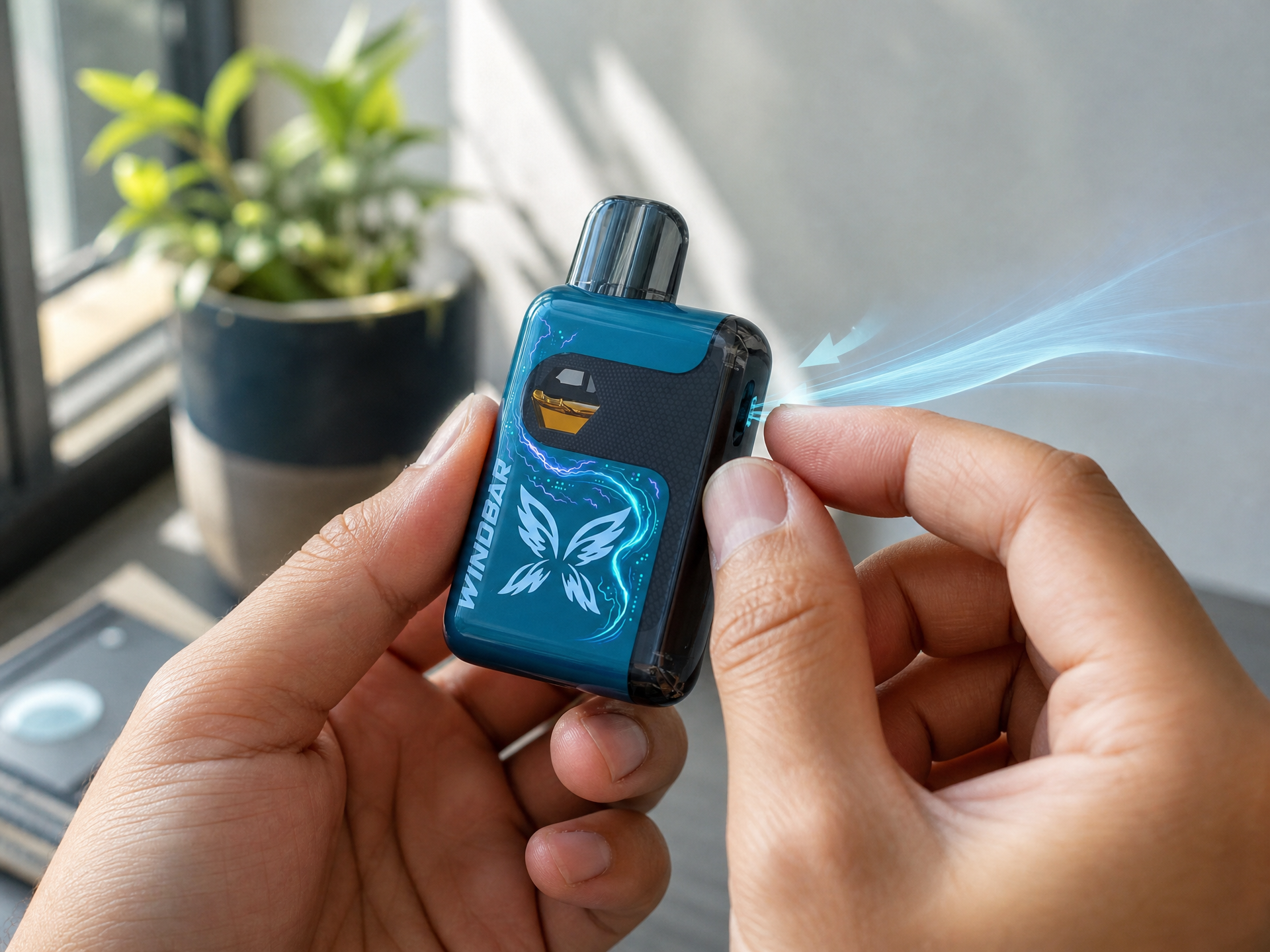
First-time vapers often think a whistling or rattling sound means something is wrong. But airflow noise is normal, especially with tighter draws. It's the sound of air rushing through a narrow channel.
That said, some noise can indicate a problem. If you hear a gurgling sound, that often means the coil is flooded—too much e-liquid in the wick. If you hear a hissing sound after you stop inhaling, that could be the coil still heating up, which is normal.
When you're testing a device for your store, listen for these sounds. A little whistle is fine. A loud, constant gurgle might be a sign of a design flaw that will frustrate customers.
Myth #3: "All Pod Systems Are the Same"
It's tempting to think that a pod is a pod. But the differences matter for your customers:
- Battery capacity: 500mAh vs. 1500mAh is a huge difference in daily use.
- Coil resistance: Lower ohms (like 0.6) produce more vapor; higher ohms (like 1.2) give a tighter, more cig-like draw.
- Pod capacity: 1mL vs. 3mL means how often customers need to refill.
- Refillable vs. proprietary: Refillable pods let customers use any e-liquid; proprietary pods lock them into a specific flavor line.
Each of these affects the customer experience. A customer who wants a satisfying throat hit won't like a device with a 0.6 ohm coil. A customer who wants to save money won't want a device with expensive proprietary pods.
What Actually Helps in Real Use
When you're evaluating a pod system, the best thing you can do is test it yourself. But you also need to verify the specs on paper. Here's a checklist:
- Battery capacity (mAh): Higher is better for all-day use.
- Charging time: Some devices charge in 30 minutes, others take 2 hours.
- Coil resistance (ohm): Determines the draw and vapor production.
- Pod capacity (mL): How often do customers need to refill?
- Refillable or proprietary: Which suits your customer base?
- Safety certifications: Look for CE, RoHS, FCC markings.
- Build quality: Does it feel solid? Does the pod sit flush?
Use the Windbar tools to crunch the numbers. The Vape Cost Calculator helps you compare the long-term cost per puff across different devices. The Vape Battery Calculator estimates battery life based on specs and usage habits. These aren't just for consumers—they're useful for you too.
How to Sanity-Check Marketing Claims
Marketing copy is designed to sell, not to inform. Here's how to cut through the hype:
- Puff counts are estimates: Treat them as ballpark figures, not facts.
- "Premium" doesn't mean anything: Anyone can call their product premium. Look for specifics like materials and build quality.
- "Leak-proof" is a promise, not a guarantee: No pod system is truly leak-proof. Check for reviews that mention leaks.
- "Best flavor" is subjective: Flavor depends on coil and e-liquid, not just the device.
When you read reviews, look for patterns. If multiple reviewers mention the same issue—like the pods leaking or the battery dying quickly—that's probably real. If a single review is glowing while others are mixed, take it with a grain of salt.
Also, check the retailer's return policy. If a device has a high defect rate, you want to know before you stock it, not after.
The Bottom Line
Pod system reviews for retail are about verification, not just reading opinions. Focus on specs, test the device, and sanity-check the claims. Use the calculators to compare value, and link to the Airflow Noise guide and the Screen vs. No Screen comparison for deeper dives.
And don't forget the one habit that changes everything: the Smooth Puff Technique. It's not just a consumer tip—it's something you can teach your customers to improve their experience with any device.
FAQ
What should I check first when reviewing a pod system for retail?
Start with the basics: battery capacity (mAh), coil resistance (ohm), pod capacity (mL), and whether the device uses proprietary or refillable pods. These specs determine how long the device lasts, how much vapor it produces, and whether customers will need to buy specific replacement pods.
Are puff counts reliable for comparing pod systems?
No, puff counts are rough estimates, not precise measurements. They depend on how long and how hard you inhale. Treat them as a ballpark figure and focus on battery capacity and coil resistance instead.
Why does my pod system make a whistling noise?
A little airflow noise is normal, especially with tighter draws. But if it's excessively loud or accompanied by gurgling, it could be a sign of a flooded coil or a poor seal. Check the pod and coil, and if it persists, consider a different device.
How do I know if a pod system is safe to sell?
Look for safety certifications like CE, RoHS, and FCC markings. Check that the device has overcharge and short-circuit protection. Also, verify the brand is transparent about its manufacturing and testing processes.
Should I trust online reviews when choosing products for my store?
Online reviews are helpful but not definitive. Combine them with your own hands-on testing and a checklist of specs. Look for patterns in reviews—if multiple people mention the same issue, it's likely real.
Sources & Further Reading
- FDA tobacco products regulation: fda.gov/tobacco-products/
- EU CE marking explanation: ec.europa.eu/growth/single-market/ce-marking_en
Last updated: [Date] by Windbar Editorial Team. This content is for adult consumers 21+ and is not medical advice.
Reality check
- Retail staff should approach pod system reviews with a skeptical eye, focusing on verifiable specs like battery capacity, coil resistance, and pod capacity rather than marketing claims like puff counts. The most reliable way to assess a device is to test it yourself and compare it against a checklist of practical criteria. This guide provides that checklist and explains how to sanity-check marketing claims before making a purchase.
- Verify specs: mAh, ohm, mL capacity, and charging time—not just puff counts.
- Test the draw and airflow yourself; noise doesn't always mean a problem.
- Check for safety certifications and regulatory compliance before stocking.
- Use cost-per-puff and battery calculators to evaluate real value.
- Read reviews from multiple sources; one bad review isn't the whole story.