
Spec people over-index on
Most buyers fixate on size and puff count. They think a smaller device is easier to handle, and a higher puff count means longer use. In reality, for home use, size is a minor factor—you're not pocketing it all day. And puff count is estimated under lab conditions that don't match how you actually vape. Your draw length, the thickness of your oil, and how often you hit the button all change the real number.
Battery capacity (mAh) is the spec that directly translates to how often you'll be reaching for the charger. A 500mAh battery might last a full day of moderate use; a 280mAh one will have you plugging in by evening. That's a spec worth checking.
Spec that actually predicts experience
The heating element is the heart of any vaporizer. Ceramic and quartz elements heat more evenly than metal coils, which means better flavor and smoother vapor. Some cheap devices use nichrome wire, which can burn your oil and taste harsh. You don't need to know the exact wattage—just look for 'ceramic' or 'quartz' in the description.
Another spec that matters is voltage or temperature control. Being able to dial down the heat for thicker oils or up for thinner ones gives you flexibility. A fixed-voltage device is fine for beginners, but if you're particular about your sessions, adjustable voltage is worth the extra cost.
Spec marketing invents drama about
Puff count is the biggest culprit. Marketers love to claim '300 puffs per cartridge'—but that number is based on a standardized test that doesn't reflect real use. Nobody takes the same 3-second puff every time. The actual number can vary by 30% or more depending on your habits.
Cloud production is another overhyped spec. Big clouds look impressive, but they don't mean better vapor. In fact, huge clouds can indicate you're vaping at too high a temperature, which can degrade the flavor. For a discreet home session, a moderate cloud is fine.
How to compare two sheets fairly
When you have two compact vaporizers side by side, put them on equal footing. First, compare battery capacities—write them down. Next, look at the heating element material. If one uses ceramic and the other uses metal, the ceramic one will likely taste better. Finally, check cartridge compatibility: a 510-thread is standard, but some devices only work with proprietary pods, which limits your options.
Don't get distracted by color options or LED lights. Those don't affect performance. Instead, ask: which one will last through a movie without charging? Which one will preserve the flavor of my oil? Those answers will steer you right.
Specs you can safely ignore
Weight and exact dimensions are irrelevant for home use. Unless you plan to carry the device in a shirt pocket, the difference between 50g and 70g won't be noticeable. Also ignore 'preheat function' if you're not vaping in cold rooms, and don't worry about charging time—most devices charge in under two hours.
One thing you should not ignore is the warranty. A vaporizer is a small electronic device, and things can go wrong. A 1-year warranty is a sign of confidence; a 30-day warranty is a red flag.
The bottom line
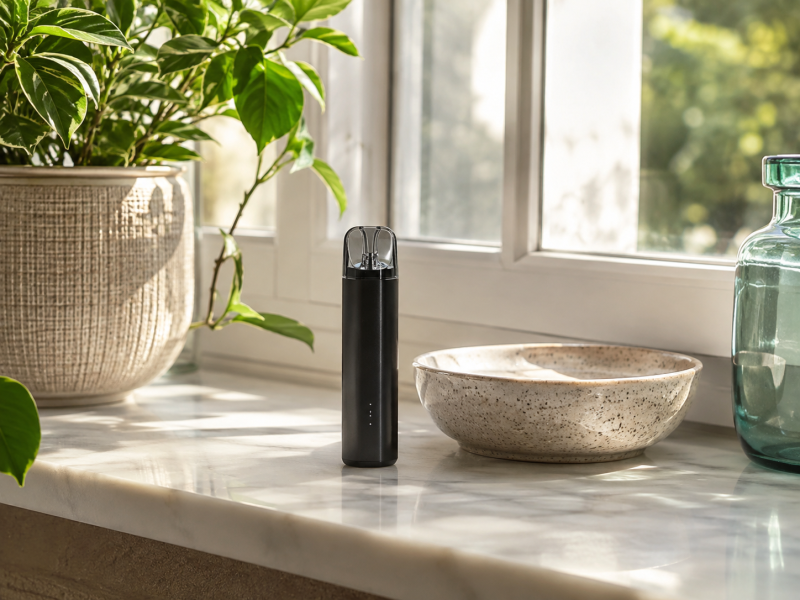
For a compact CBD vaporizer used at home, the specs that count are battery capacity, heating element, and voltage control. Puff counts and cloud sizes are marketing fluff. When you're comparing two devices, make a simple chart with those three specs, and the decision becomes clear. And if you're ever unsure, the Windbar Community is full of people who've already done the legwork—ask them what they'd buy again.
CBD vaporizers are for use with legally compliant CBD products only. Check your local laws before purchasing any vaporizer hardware.
Spec decoder
- When choosing a compact CBD vaporizer for home use, focus on battery capacity and heating element material—these specs directly affect session consistency and longevity. Marketing specs like puff count and cloud size are often exaggerated and don't translate to better vapor quality. A practical comparison of two devices should weigh battery life, heating performance, and build quality over flashy numbers.
- Battery capacity (mAh) is the most reliable spec for predicting how long a compact CBD vape lasts between charges.
- Heating element type (ceramic, quartz, or metal) matters more than wattage for flavor and vapor smoothness.
- Puff count and cloud production are marketing metrics that rarely match real usage patterns.
- Compare devices by same criteria: battery, heating, and cartridge compatibility—not by marketing claims.
- You can safely ignore weight and exact dimensions for home use; they only matter if you carry the device daily.
Sources & Further Reading
- FDA on Vaping Products — Official source for regulatory information on vaporizer hardware and safety.
Related Windbar Guides
- Vape Leaking at Home? Quick Fixes Before You Toss It
- Button-Fired Compact Vaporizer: A Quiet Default Guide for Seasonal Shoppers
- Compact CBD Vape vs Pod-Style Hardware for Daily Commute: A Wholesale Buyer's Guide
Related Windbar Resources
- Windbar CBD Vaporizer Hub — Explore hardware options that match the specs discussed in this guide.
- Windbar Community — Ask other users about their real-world experience with compact vaporizers.