

Why the battery matters
In a vape device, the battery is not just a power source. It affects how consistently the device can deliver energy to the heating system, how long the device can operate between charges, how compact the product can be, and how stable the experience feels across the product life cycle.
For brands and manufacturing partners, this matters because battery performance connects directly with product positioning. A device designed for a compact body, a long usage cycle, or a specific puff-count target needs the battery, circuit design, heating structure, airflow path, and housing to work together.
Stable output supports a more consistent experience
Stable battery output helps the device maintain a more predictable power supply during use. In practical terms, this can support more consistent vapor generation and flavor delivery when the rest of the device is engineered correctly.
Windbar's technical direction focuses on matching battery output with the heating structure, airflow, and product size. Instead of treating voltage as a standalone marketing number, the engineering goal is to make the full device system work in a balanced way.
High-voltage design needs careful system matching
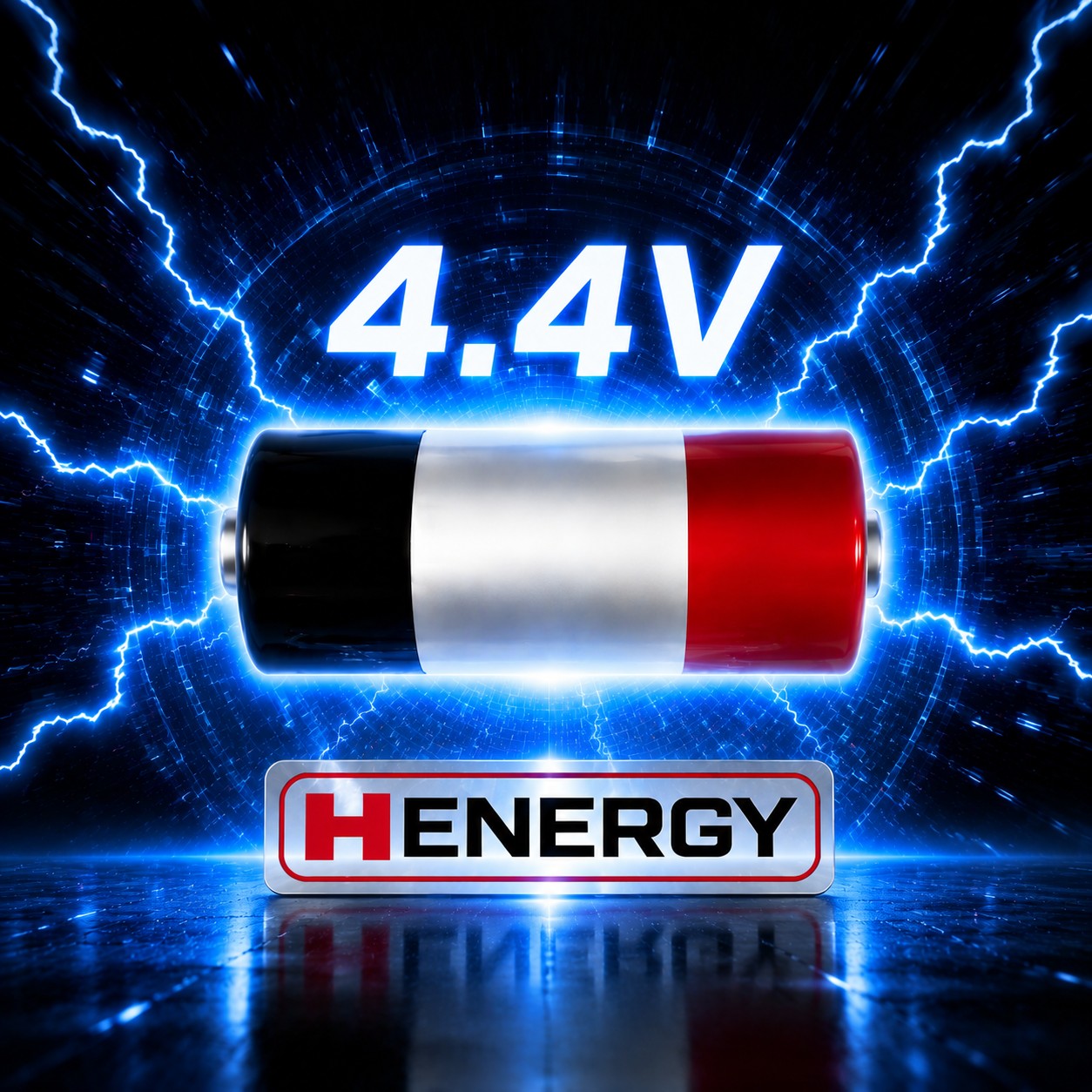
Some product concepts may use a high-voltage design, such as a 4.4V engineering direction where appropriate. This type of design should be evaluated together with coil selection, liquid flow, heat management, battery safety, and expected usage conditions.
In product materials, high-voltage design is best explained as an engineering approach that supports stronger and more stable output. Specific voltage values should align with verified specifications for each project.
Compact size and longer use are design tradeoffs
Many brands want smaller devices without giving up battery life or puff performance. Achieving that balance is not only a matter of choosing a larger battery. It requires structural design, circuit efficiency, component layout, and housing optimization.
Windbar's role is to help brands review these tradeoffs early: what size the product should be, what performance target it should meet, what battery configuration is realistic, and how the product can remain manufacturable at scale.
What business partners should prepare
Before starting a battery-related device project, a brand should prepare the target device size, expected usage scenario, puff-count target, charging requirement, market region, and any compliance constraints. These inputs help the engineering team evaluate whether the desired product concept is realistic.
For OEM & Solutions cooperation, Windbar can support technical discussion, structural review, mold and component design coordination, and compliant manufacturing planning with qualified partners.
Key takeaway
Battery technology is part of a full product system. Stable output, compact structure, longer battery life, and puff performance all depend on coordinated engineering choices. For brands building a differentiated device, early technical review is the best way to reduce development risk.
Weekly industry brief · OEM enquiry
Adults 21+. Request the OEM one-pager or talk to B2B — not a consumer checkout.